

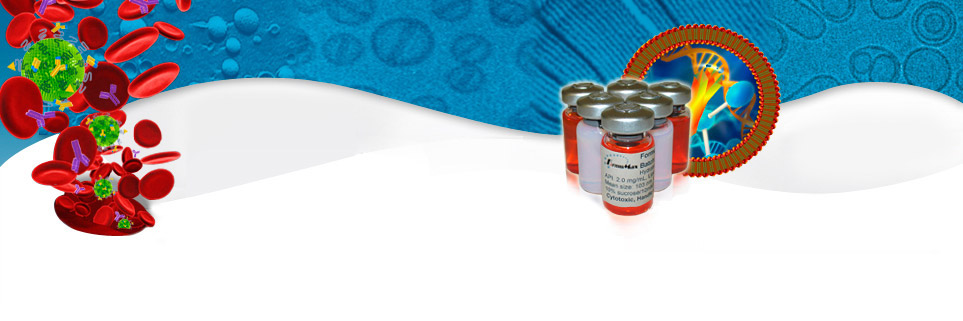
Clophosome®-A: Anionic Clodronate Liposomes for Macrophage Depletion — Applications and Published Research
Posted by Peter Zhang on 23rd Oct 2026
An established research tool for investigating macrophage function in immunology, cancer, neuroscience, and tissue repair
Introduction
Macrophages are essential components of the innate immune system, playing critical roles in host defense, inflammation, tissue homeostasis, and disease progression. Understanding their biological functions often requires experimentally depleting macrophage populations to determine how their absence affects physiological and pathological processes.
Clodronate liposomes have become one of the most widely used experimental approaches for macrophage depletion. By encapsulating clodronate within lipid vesicles, researchers can exploit the natural phagocytic activity of macrophages to deliver clodronate intracellularly, resulting in macrophage depletion.
Clophosome®-A, developed by FormuMax Scientific, is a proprietary anionic (negatively charged) clodronate liposome formulation designed for effective macrophage depletion in biomedical research.
A Distinctive Anionic Formulation from FormuMax Scientific
Clophosome®-A is a proprietary anionic clodronate liposome formulation developed by FormuMax Scientific and available exclusively through FormuMax and its authorized distributors.
Since its introduction, Clophosome®-A has gained widespread acceptance among researchers and has surpassed the conventional neutral formulation, Clophosome®-N, in customer demand. Its growing popularity is reflected in numerous peer-reviewed publications spanning immunology, neuroscience, oncology, and other areas of biomedical research.
Today, Clophosome®-A is one of FormuMax's leading products for experimental macrophage depletion.
How Does Clophosome®-A Work?
Clophosome®-A encapsulates clodronate, a non-nitrogen-containing bisphosphonate, within negatively charged liposomes.
The mechanism of macrophage depletion involves three principal steps:
-
Phagocytic uptake: Macrophages internalize clodronate-containing liposomes through their natural phagocytic activity.
-
Intracellular release: Following internalization, liposomal degradation releases encapsulated clodronate inside the cells.
-
Macrophage apoptosis: Intracellular clodronate is metabolized into a nonhydrolyzable ATP analog, AppCCl₂p, which disrupts cellular metabolism and promotes apoptosis.
Free clodronate has limited ability to cross intact cellular membranes. Liposomal encapsulation therefore provides an effective means of delivering clodronate into phagocytic cells.
Because the formulation is negatively charged, Clophosome®-A offers an alternative to conventional neutral clodronate liposomes. Its depletion efficiency depends on factors including tissue distribution, macrophage phenotype, administration route, and experimental conditions.
Published Research Applications of Clophosome®-A
Clophosome®-A has been used in a variety of peer-reviewed studies to investigate the roles of macrophages and related phagocytic cells in disease and normal physiology.
The following examples illustrate the breadth of its research applications.
1. Neuropathic Pain and Peripheral Neuroinflammation
Study: Macrophage–T Cell Interactions Mediate Neuropathic Pain through the Glucocorticoid-induced Tumor Necrosis Factor Ligand System (2015).
Peripheral nerve injury often triggers macrophage infiltration and inflammatory responses that contribute to neuropathic pain.
In this study, researchers used Clophosome-A to investigate macrophage involvement in a mouse model of partial sciatic nerve ligation.
Local administration of Clophosome-A around the injured nerve reduced macrophage-associated inflammatory signaling, including IL-1β and TNF-α expression, and decreased recruitment of GITR-positive T cells.
The findings supported an important role for macrophage–T cell interactions in neuropathic pain development.
Research significance: Clophosome®-A enabled investigators to evaluate the contribution of infiltrating macrophages to peripheral neuroinflammation and pain-related signaling.
2. Microglial Depletion and Brain Research
Study: Microglial Depletion with Clodronate Liposomes Increases Proinflammatory Cytokine Levels, Induces Astrocyte Activation, and Damages Blood Vessel Integrity (2019).
Microglia are resident immune cells of the central nervous system and contribute to immune surveillance, neuronal support, and inflammatory responses.
In this study, researchers used FormuMax Clophosome®-A (Cat. No. F70101C-A) to investigate the consequences of microglial depletion in mouse brain tissue.
Intracerebral administration depleted microglia in the targeted region. However, the investigators also observed increased inflammatory cytokine expression, astrocyte activation, and impaired vascular integrity.
These findings highlighted both the importance of microglia in maintaining normal brain homeostasis and the need to consider secondary tissue effects when interpreting depletion experiments.
Research significance: Clophosome®-A provided an experimental means of investigating microglial function and the consequences of their depletion in the central nervous system.
3. Lung Injury, Macrophage Function, and Tissue Repair
Study: Targeting of the Pulmonary Capillary Vascular Niche Promotes Lung Alveolar Repair and Ameliorates Fibrosis (2016).
Macrophages and monocytes contribute to inflammatory responses and tissue remodeling following lung injury.
Researchers used Clophosome®-A (Cat. No. F70101C-A) in mouse models of chronic lung injury to investigate macrophage involvement in pulmonary repair and fibrosis.
The study reported that intravenous Clophosome-A treatment depleted more than 90% of lung macrophages at 24 hours, with the effect persisting for up to five days under the reported experimental conditions.
Macrophage depletion was incorporated into experiments examining the interactions between inflammatory cells, pulmonary vascular signaling, and alveolar regeneration.
Research significance: This study demonstrated the application of Clophosome®-A in pulmonary macrophage depletion and lung injury research, including a quantitative example of depletion efficiency.
4. Tumor-Associated Macrophages and Cancer Progression
Study: JMJD6 in Tumor-Associated Macrophage Regulates Macrophage Polarization and Cancer Progression via STAT3/IL-10 Axis (2023).
Tumor-associated macrophages (TAMs) are important regulators of the tumor microenvironment. They can influence tumor growth, immune suppression, angiogenesis, and responses to anticancer therapies.
In this study, researchers investigated the role of JMJD6 in macrophage polarization and cancer progression.
FormuMax Clophosome®-A (Cat. No. F70101C-A) was administered intravenously in tumor-bearing mice as part of the macrophage depletion experiments, with control liposomes administered to comparison animals.
The research identified a role for macrophage-associated JMJD6 signaling in regulating macrophage behavior and tumor progression.
Research significance: Clophosome®-A served as a macrophage-depleting tool in experiments investigating the biological contribution of TAMs to cancer progression.
Additional Areas of Research
Beyond these examples, Clophosome®-A has been cited in studies examining other macrophage-dependent biological processes, including:
-
Tumor immunology: Investigating macrophage polarization, tumor-associated inflammation, and interactions between macrophages and cancer cells.
-
Drug delivery and exosome research: Evaluating macrophage-dependent uptake, clearance, and distribution of engineered delivery systems.
-
Hematology: Exploring macrophage involvement in erythropoiesis and red blood cell homeostasis.
-
Developmental biology: Investigating macrophage contributions to organ development and tissue maturation.
-
Inflammatory disease: Studying macrophage-dependent cytokine signaling, immune cell recruitment, and tissue injury.
Together, these applications demonstrate the versatility of macrophage depletion as an experimental strategy across diverse biomedical research fields.
Why Researchers Choose Clophosome®-A
Clophosome®-A offers several practical features for macrophage depletion research.
Anionic liposomal formulation
The negatively charged lipid composition provides a distinct formulation option for studies involving phagocytic cell uptake and macrophage depletion.
Efficient intracellular clodronate delivery
Liposomal encapsulation enables clodronate delivery into phagocytic cells, overcoming the limited membrane permeability of free clodronate.
Demonstrated depletion activity
Published research has documented substantial macrophage depletion using Clophosome®-A, including more than 90% depletion of lung macrophages under specific experimental conditions.
Broad research applications
Clophosome®-A has been used in studies involving peripheral macrophages, microglia, pulmonary macrophages, and tumor-associated macrophages.
Matched experimental controls
FormuMax provides corresponding anionic control liposomes without clodronate, allowing researchers to distinguish clodronate-mediated depletion from effects associated with the liposomal carrier.
Established research use
Its identification in peer-reviewed publications provides researchers with examples of experimental approaches, administration routes, and biological outcomes that can help guide study design.
Important Considerations for Macrophage Depletion Experiments
Although clodronate liposomes are powerful experimental tools, depletion outcomes vary with experimental conditions.
Administration Route and Target Tissue
Intravenous, intraperitoneal, and local administration can produce different tissue distributions and depletion patterns. The appropriate route should be selected according to the target macrophage population.
Depletion Efficiency and Duration
The magnitude and duration of macrophage depletion depend on dose, administration route, macrophage population, and tissue accessibility. Depletion should be confirmed experimentally rather than assumed from previously published results.
Macrophage Specificity
Clodronate liposomes primarily affect cells capable of internalizing the liposomes. Depending on the model and administration route, other phagocytic cell populations may also be affected.
Appropriate Controls
Matched control liposomes are important for distinguishing effects caused by clodronate from those associated with liposome administration.
Verification of Macrophage Depletion
Flow cytometry, immunohistochemistry, and other cell-specific analytical methods can be used to assess macrophage depletion in relevant tissues.
Careful experimental design and appropriate controls are essential for interpreting the biological consequences of macrophage depletion.
Clophosome®-A Products from FormuMax Scientific
FormuMax Scientific offers Clophosome®-A and complementary control formulations to support macrophage depletion studies.
| Product | Catalog Number |
|---|---|
| Clophosome®-A — Anionic Clodronate Liposomes | F70101C-A |
| Plain Control Liposomes for Clophosome®-A | F70101-A |
| DiI Fluorescent Control Liposomes for Clophosome®-A | F70101F-A |
| Clophosome®-A and Plain Control Liposome Combo | F70101C-AC |
The standard Clophosome®-A formulation is available in 2 mL and 10 mL sizes.
Matched plain control liposomes support experimental comparisons, while fluorescent control liposomes can be useful for investigating liposome uptake and distribution.
Conclusion
Macrophage depletion is an important experimental strategy for understanding the roles of phagocytic cells in inflammation, immunity, tissue homeostasis, and disease.
Clophosome®-A, FormuMax Scientific's proprietary anionic clodronate liposome formulation, has become a widely adopted research product supported by published applications across multiple biomedical disciplines.
From neuropathic pain and neuroinflammation to lung injury and tumor-associated macrophage research, published studies demonstrate how Clophosome®-A can help researchers investigate macrophage-dependent biological mechanisms.
With its established research use, ready-to-use formulation, and matching control liposomes, Clophosome®-A provides a practical tool for macrophage depletion studies.
Learn more about Clophosome®-A and related macrophage depletion products at www.clophosome.com.
For research use only. Not intended for human or veterinary diagnostic or therapeutic use.
Selected References
-
Macrophage–T Cell Interactions Mediate Neuropathic Pain through the Glucocorticoid-induced Tumor Necrosis Factor Ligand System. Journal of Biological Chemistry, 2015. Full text
-
Targeting of the Pulmonary Capillary Vascular Niche Promotes Lung Alveolar Repair and Ameliorates Fibrosis. 2016. Full text
-
Microglial Depletion with Clodronate Liposomes Increases Proinflammatory Cytokine Levels, Induces Astrocyte Activation, and Damages Blood Vessel Integrity. Molecular Neurobiology, 2019. Full text
-
JMJD6 in Tumor-Associated Macrophage Regulates Macrophage Polarization and Cancer Progression via STAT3/IL-10 Axis. 2023. Full text